The way care quality is assessed has changed. The Care Quality Commission is no longer forming judgements based on a single version of evidence. Instead, it builds a picture of care services by drawing on multiple sources, including people’s experience, staff feedback, observations, internal processes, and outcomes. These evidence categories are now explicitly defined within the assessment framework to improve transparency and consistency in how quality of care is judged.
For care organisations, this has practical implications in how marketing should be understood. Marketing is not assessed directly. But it now sits alongside several of the same evidence categories that CQC uses. That means digital channels are no longer just about visibility. They contribute to how a service is perceived, interpreted, and understood across social care services.
This is where marketing has the potential to act as a digital audit trail for care homes and care providers.
CQC Is Assessing Consistency, Not Just Compliance
At the centre of the CQC assessment framework are five key questions; including whether a service is well-led. These key questions remain the foundation of how care services are assessed, covering whether services are safe, effective, caring, responsive, and well-led.
“Well-Led” is not just about leadership structures. It is about whether leadership, culture, and governance translate into consistent, person-centred care and ultimately contribute to the overall ratings a service receives. Importantly, CQC is not looking for a single answer here. It is looking for alignment between what people experience, what staff report, and what systems deliver.
This is reinforced through the “I statements”, which focus on whether people feel safe, respected, and involved in their care, and whether their quality of life is consistently supported. From a strategic perspective, this is the key point. The question is not just whether something is documented, but whether it is consistently experienced across care homes and wider care services.
Where Marketing Sits Within the Evidence Model
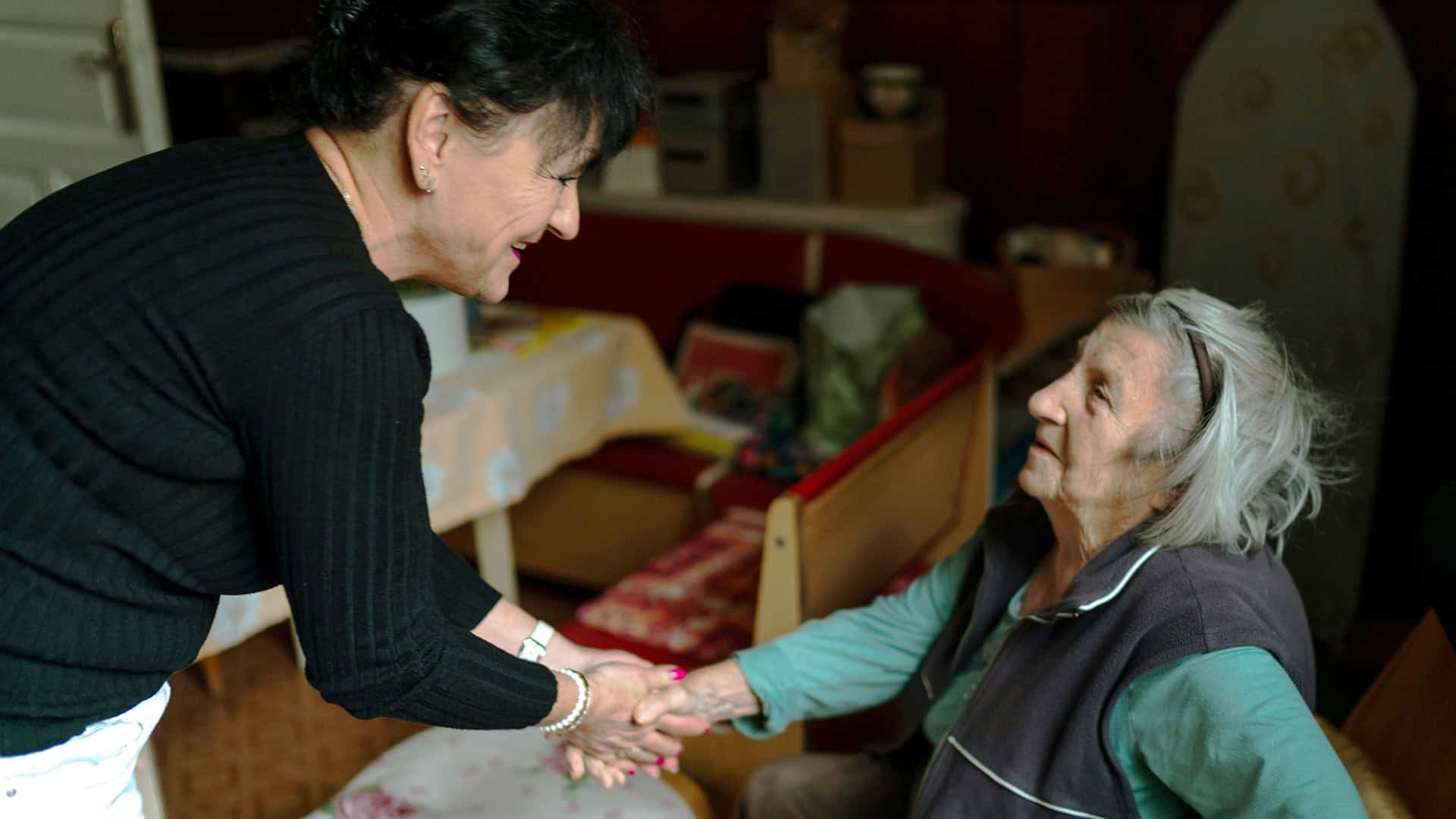
The closest connection between marketing and the CQC framework sits within “people’s experience”. CQC defines this as lived experience, expectations, and satisfaction with care, including feedback from families, carers, and advocates. This sits alongside other evidence categories such as staff feedback, observation, processes, and outcomes, all of which contribute to how quality of care is assessed. This is the same type of content that already exists across most marketing channels.
Reviews, testimonials, case studies, and social content are all expressions of lived experience. They are not formal inspection evidence, but they contribute to the same narrative that CQC is trying to validate when assessing care providers. There is a similar overlap with staff and leadership evidence. CQC gathers insight from employees and leaders through surveys, interviews, and internal feedback. Marketing cannot influence what staff say, but it can either align with or contradict it. When it reflects reality, it strengthens credibility. When it does not, it exposes gaps that can influence both inspection reports and CQC ratings.
How CQC Ratings Are Built From Evidence
To understand why this matters, it helps to look at how ratings are actually formed. Under the Single Assessment Framework, inspectors review evidence across the defined evidence categories for each quality statement. These are then scored and combined to form an overall judgement. Those scores ultimately contribute to overall ratings, including whether a service is judged as good or achieves an outstanding rating.
What this means in practice is that no single data point determines a rating. Instead, the Care Quality Commission builds a layered picture of care services, where different types of evidence reinforce or challenge one another. For care homes, this creates a more transparent but also more demanding environment. It becomes harder to rely on isolated examples of best practice. What matters more is whether quality of care is consistently demonstrated across multiple sources over time.
From Key Lines of Enquiry to the Single Assessment Framework
This shift becomes clearer when looking at how the framework itself has evolved. The Single Assessment Framework replaced the previous Key Lines of Enquiry model, bringing different types of health and social care services into a more unified system.
Rather than working through a fixed checklist, the assessment framework now centres on quality statements linked to the key questions. These are then supported by evidence categories, which help inspectors understand how care is actually delivered. This change has two effects.
First, it makes the process more flexible. CQC can focus on different areas depending on the evidence it holds about a service. Second, it places more emphasis on how services are experienced over time, rather than how they perform at a single point during a CQC inspection. For care providers, this creates a closer link between day-to-day operations and how they are assessed.
What ‘Well-Led’ Really Means in Practice
The Well-Led key question often carries more weight than it appears to at first glance. It acts as a reflection of how the organisation functions as a whole. Leadership, culture, communication, and oversight all sit within it, but so does the ability to maintain consistent quality of care across services.
In practice, this means that strong leadership is not just about internal processes. It is about whether those processes translate into a reliable experience for people using the service. Where this is working well, it tends to show up across multiple areas. People report positive experiences. Staff describe a supportive environment. Outcomes are stable or improving. The overall ratings begin to reflect that consistency.
Where it is not, the gaps tend to appear just as clearly. This is why Well-Led is often closely linked to whether a service is moving towards an outstanding rating or remaining static.
Cost, Investment, and Control
When vacancy is considered alongside marketing, the comparison is not entirely straightforward. Marketing requires investment, whether that is through PPC advertising, Google Ads, or broader digital marketing activity, but it is also something that can be adjusted, measured, and improved over time. Vacancy, by contrast, tends to accumulate quietly until it becomes more difficult to ignore.
With occupancy across the sector rarely reaching full capacity in 2025, even small improvements can have a noticeable impact. The challenge is less about whether to invest, and more about how consistently that investment is applied.
From Campaigns to Continuity
Structured campaigns can be one of the most effective ways for care organisations to build a stronger, more consistent digital presence. The issue is not whether campaigns are used, but what the focus and outputs end up looking like. The CQC framework is not assessing isolated moments. It is building a picture of an organisation through multiple evidence categories over a sustained period of time.
That means the output of marketing activity needs to accumulate into something coherent, which a well-planned campaign can directly support. For example, a 90 day campaign focused on capturing and sharing resident and family stories does more than generate engagement. It creates a structured body of lived experience content that aligns with how CQC gathers evidence around people’s experience.
Similarly, a campaign centred on staff development or team culture can help ensure that external messaging reflects the same themes that CQC explores through staff and leadership feedback. Over time, these outputs form a visible, time-stamped record of how an organisation communicates, how people experience care, and how the service evolves.
Continuous Assessment and Why Visibility Now Matters More
One of the more significant changes within the Single Assessment Framework is how assessments are timed. There are no longer fixed inspection cycles in the same way as before. Instead, CQC continuously reviews the evidence it holds about a service and can update ratings as new information becomes available. This includes complaints, feedback, and other incoming data, alongside formal inspection activity. For care providers, this changes the dynamic.
The assessment process becomes ongoing rather than periodic. Inspection reports and ratings can be influenced by how consistently a service performs, not just how it performs on the day of an inspection. In that context, visibility takes on a different role. What is communicated publicly begins to sit alongside other forms of evidence, contributing to the overall picture that regulators are building.
The Digital Audit Trail in Practice
Taken together, these elements form a continuous digital footprint. Over time, this becomes a form of audit trail. Not a formal requirement, but a visible record of how an organisation operates across care homes and wider social care services. It shows how people experience care. It reflects how staff engage and deliver services. It demonstrates how feedback is handled and acted upon.
Because this content is ongoing, it provides a much fuller view of ongoing care activities and quality of life than static documentation. That consistency is exactly what CQC is trying to assess across its evidence categories when building a rating.
What This Means for Care Organisations
It’s important to note that the opportunity is not to produce more content. It is to ensure that what is communicated reflects what is delivered. That means reviewing whether digital messaging reflects actual experience. It means ensuring that enquiry handling matches the standards being communicated. It also means making feedback and improvement visible over time.
Many care providers already have the right processes in place. What is often missing is the connection between those processes and how they are communicated. The role of marketing is to support that connection, not replace it.
A Shift in Role
Marketing in the care sector is becoming more closely tied to how organisations demonstrate quality. The organisations that recognise this shift are not replacing compliance with marketing.
They are using marketing to make consistency visible, in a way that aligns with how the Care Quality Commission now assesses care services and determines CQC ratings.